Android

Eat your salad first: why the order of your meal matters
Small studies show that eating vegetables and protein before rice or roti leads to a gentler rise in blood sugar. Here is the evidence, its limits, and how to try it with an Indian meal.
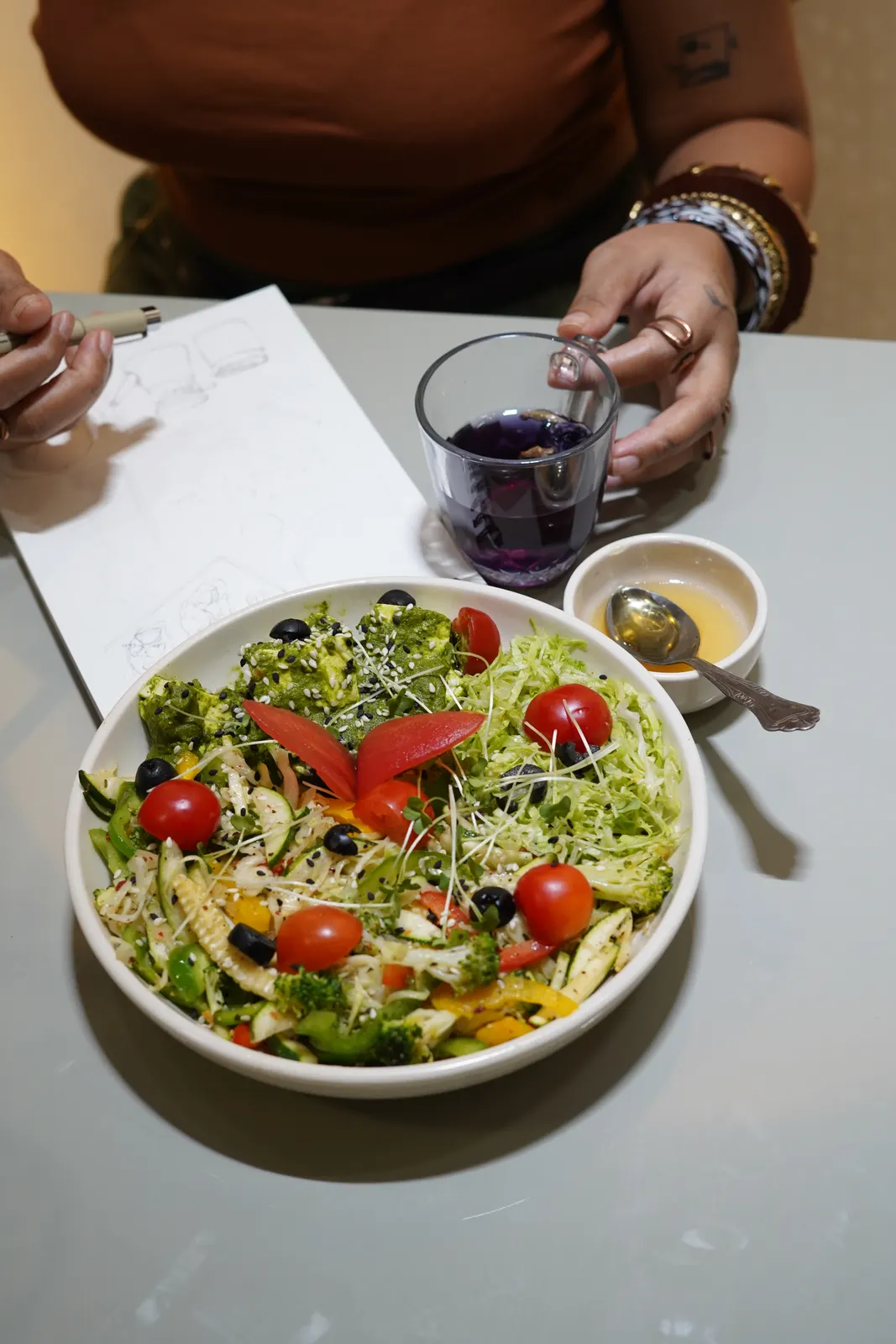
Most of us eat an Indian meal all mixed together: a bite of roti with sabzi, rice with dal, and a little salad on the side if it is there at all. A simple change to that order may help your body handle the same meal better. Eat the vegetables and protein first, and the rice or roti last.
What the research found
In a 2015 pilot study published in Diabetes Care, researchers at Weill Cornell Medicine gave 11 adults with type 2 diabetes the same meal of vegetables, protein and carbohydrates on two days, a week apart. When they ate the vegetables and protein first and the carbohydrates last, their blood sugar was about 29% lower at 30 minutes, 37% lower at 60 minutes and 17% lower at 120 minutes than when they ate the carbohydrates first. Their insulin levels were lower too.
A study from Japan, published in Diabetic Medicine in 2013, found the same pattern in 19 people with type 2 diabetes and 21 people with normal blood sugar. Eating vegetables before carbohydrates reduced the spike in blood sugar after meals, compared with the reverse order.
Why it might work
Researchers point to two effects. Fibre from vegetables slows how quickly food leaves the stomach and how fast sugar from the meal is absorbed. And protein and fat eaten early prompt the gut to release hormones, such as GLP-1, that help the body manage blood sugar. By the time the rice or roti arrives, digestion is already moving more gently.
What it does not mean
These were small, short studies, mostly in people with diabetes or prediabetes. Larger and longer trials are still needed.
It does not make a large portion of refined carbohydrates healthy. What you eat, and how much, still matters most.
It is not a treatment. If you have diabetes, keep following your doctor's advice and medicines. Food order is a habit to add, not a replacement.
How to try it with an Indian meal
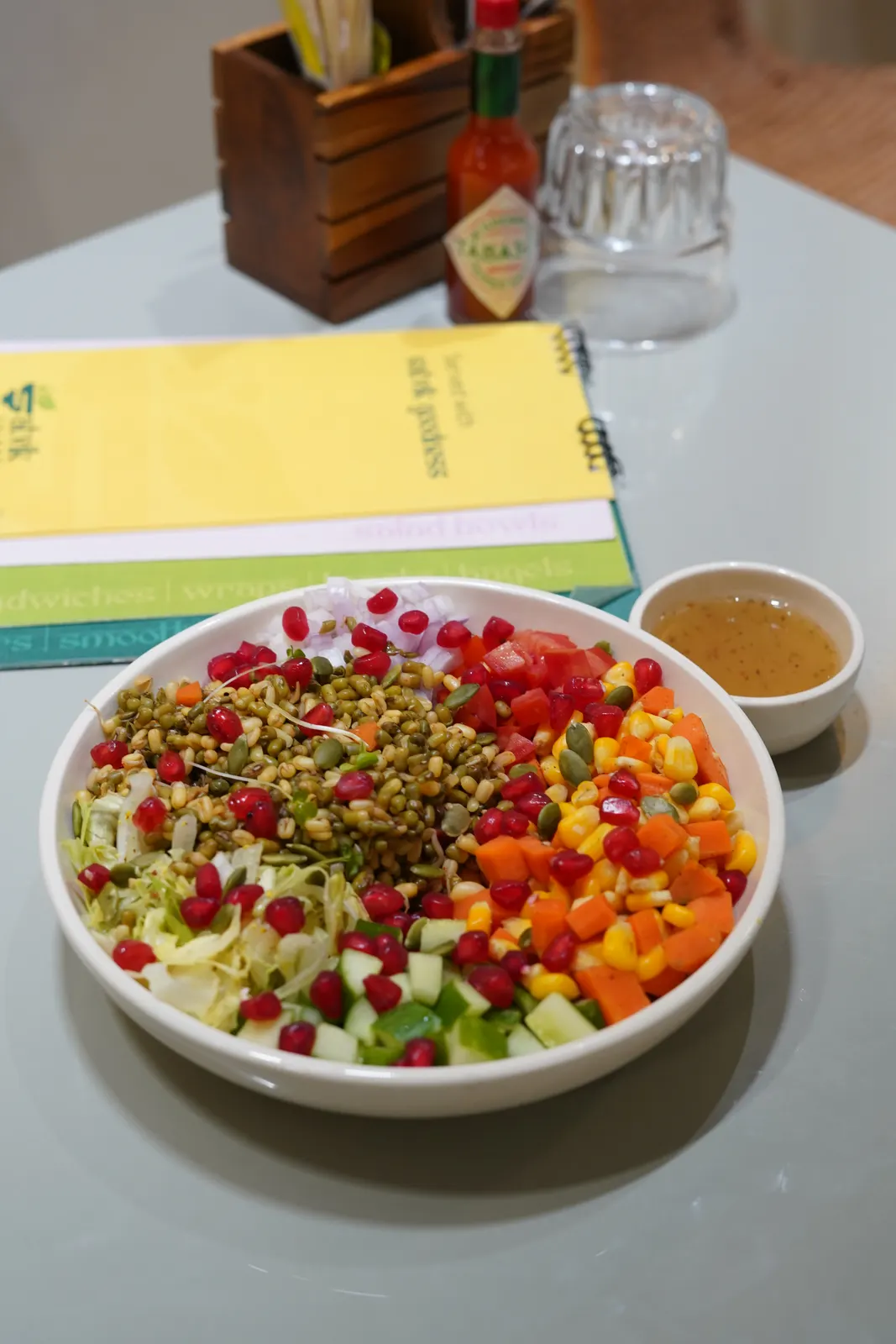
Start with a katori of salad: kachumber, sprouts, or a vegetable-heavy bowl.
Move on to protein: dal, paneer, curd, chana or sabzi.
Finish with carbohydrates: your roti, rice or paratha.
At a restaurant or office lunch, order the salad as a starter rather than a side. At home, put the salad on the table first. It is also an easy way to eat more vegetables: the Dietary Guidelines for Indians recommend at least 400 g of vegetables a day, with vegetables in every meal.
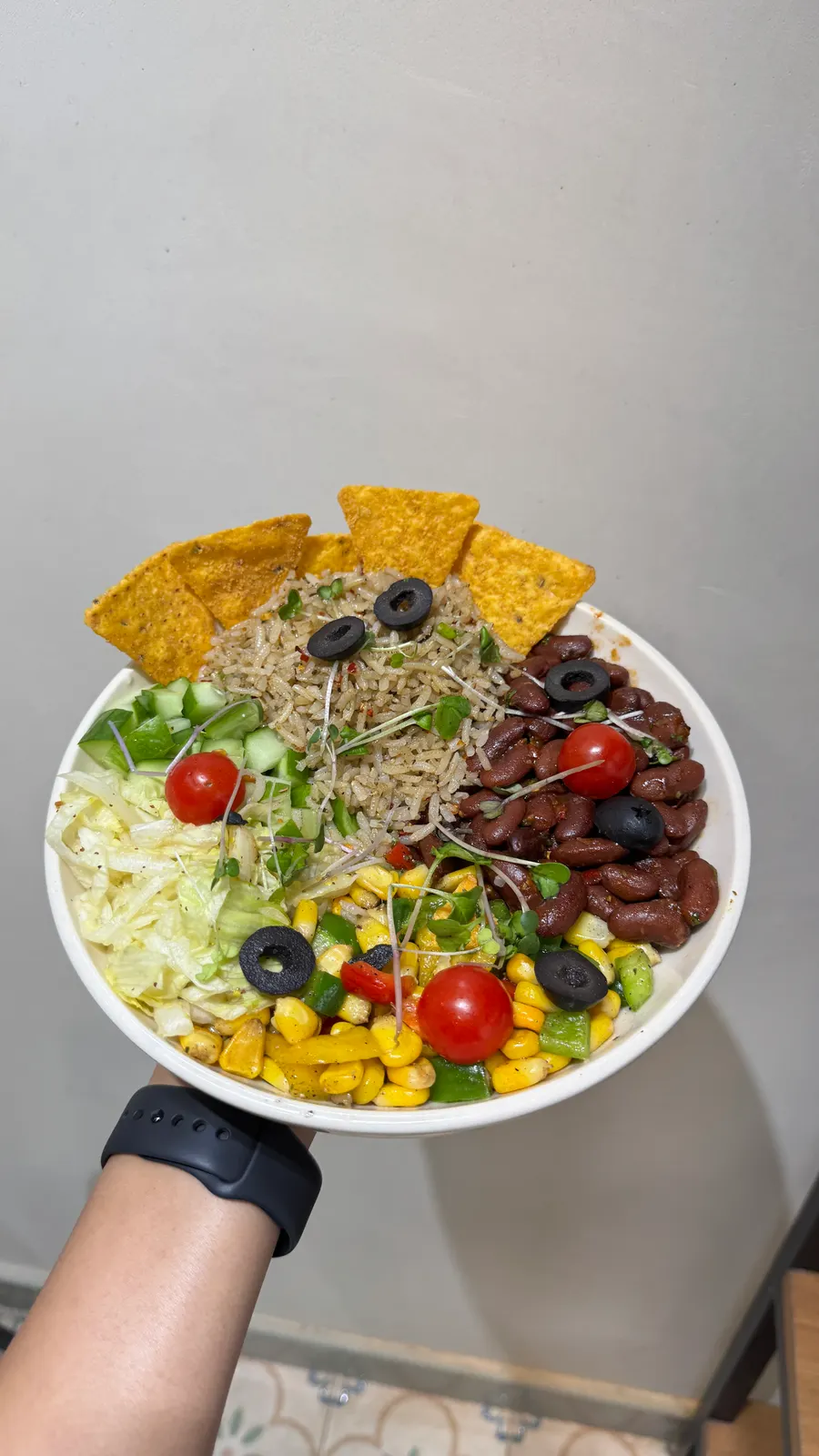
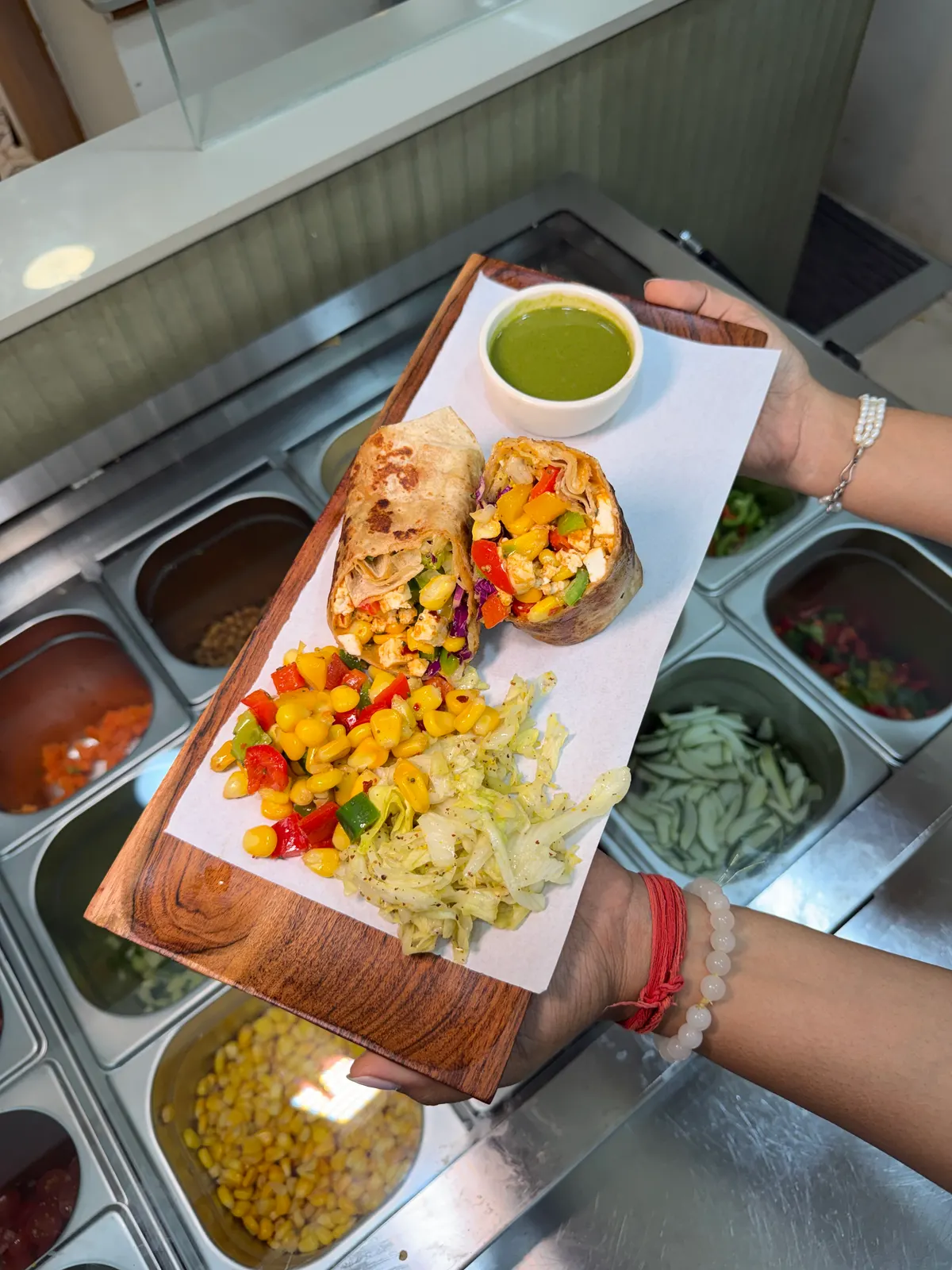
Our bowls make an easy first course, since most pair vegetables with a protein such as paneer, chana or rajma. If you are managing blood sugar, our High-Protein / Disease-Friendly Salad plan and a diet consultation with our dietitian can help you plan meals that suit you.
Want to make that first course more filling? Here is how to build a salad that keeps you full.
This article is general information, not medical advice. If you have a health condition, are pregnant, or take regular medication, speak to your doctor or dietitian before changing your diet.