Android

Sprouts: what sprouting does, and how to eat them safely
Why a soaked moong bean becomes easier to digest and richer in vitamin C, a simple way to sprout at home, and who should cook sprouts before eating them.
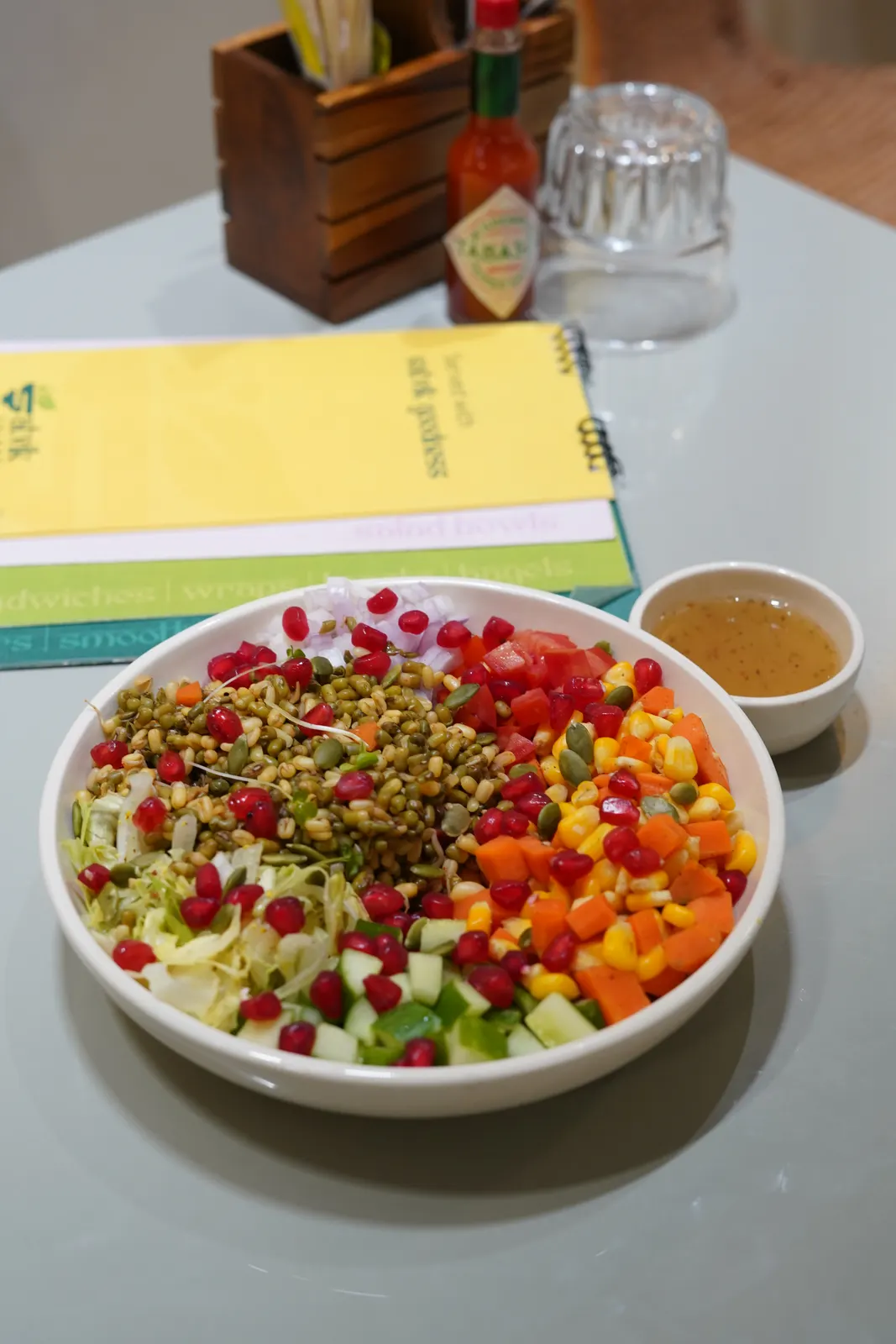
Sprouted moong is a fixture of Indian kitchens, from Gujarati fangavela mag to Maharashtrian usal and the humble sprout chaat. It is also the base of our Sprout Protein Bowl. Here is what actually changes when a seed sprouts, and how to enjoy sprouts safely.
What happens when a seed sprouts
A dry bean is a seed waiting for water. Once it is soaked and kept warm and moist, it wakes up its own enzymes to start growing, and those enzymes change the bean in ways that help us too. A 2018 review in Food Science & Nutrition sums up the research:
Less phytate. Pulses contain phytic acid, which binds minerals such as iron and zinc. Sprouting switches on the seed's own phytase enzyme, which breaks phytate down.
Easier-to-digest protein. In the studies reviewed, sprouting raised the protein digestibility of green gram (moong), cowpea, lentil and chickpea by 14–18% in lab tests.
More vitamin C. Vitamin C rose significantly when mung beans and chickpeas were sprouted.
Fewer antinutrients. Levels of tannins, oxalate and trypsin inhibitors fell in sprouted green gram, cowpea, lentil and chickpea.
No surprise, then, that ICMR-NIN's Dietary Guidelines for Indians advise eating more sprouted or fermented foods.
How to sprout moong at home
Rinse one cup of whole green moong and pick out any broken or discoloured beans.
Soak in plenty of clean drinking water for 8–10 hours, or overnight.
Drain, rinse, and tip the beans into a clean colander or sprouting box. Cover with a damp, clean cotton cloth.
Keep in a warm spot out of direct sun, rinsing and draining twice a day. Tails appear in 12–24 hours, sooner in summer.
Once the tails are about 0.5–1 cm long, rinse, drain well and refrigerate. Use within two days.
Throw away any batch that smells sour or musty, or feels slimy.
Raw or cooked? The food-safety side
The same warm, damp conditions that help seeds sprout also suit bacteria such as Salmonella, E. coli and Listeria, and contaminated sprouts can look and smell perfectly normal. That is why food-safety experts, including the US FDA, advise that young children, older adults, pregnant women and anyone with a weakened immune system should not eat raw sprouts.
For everyone else, a few habits lower the risk:
Sprout small batches at home with clean water and clean containers, and wash your hands first.
Keep sprouts in the fridge and eat them fresh.
Cooking sprouts thoroughly kills these bacteria. If you like some crunch, a few minutes of steaming or sautéing is still safer than eating them raw.
In the monsoon, when it is humid, lean towards cooked sprouts: usal, sprout sabzi, or sprouts stirred into poha or khichdi.
Sprouts or microgreens?
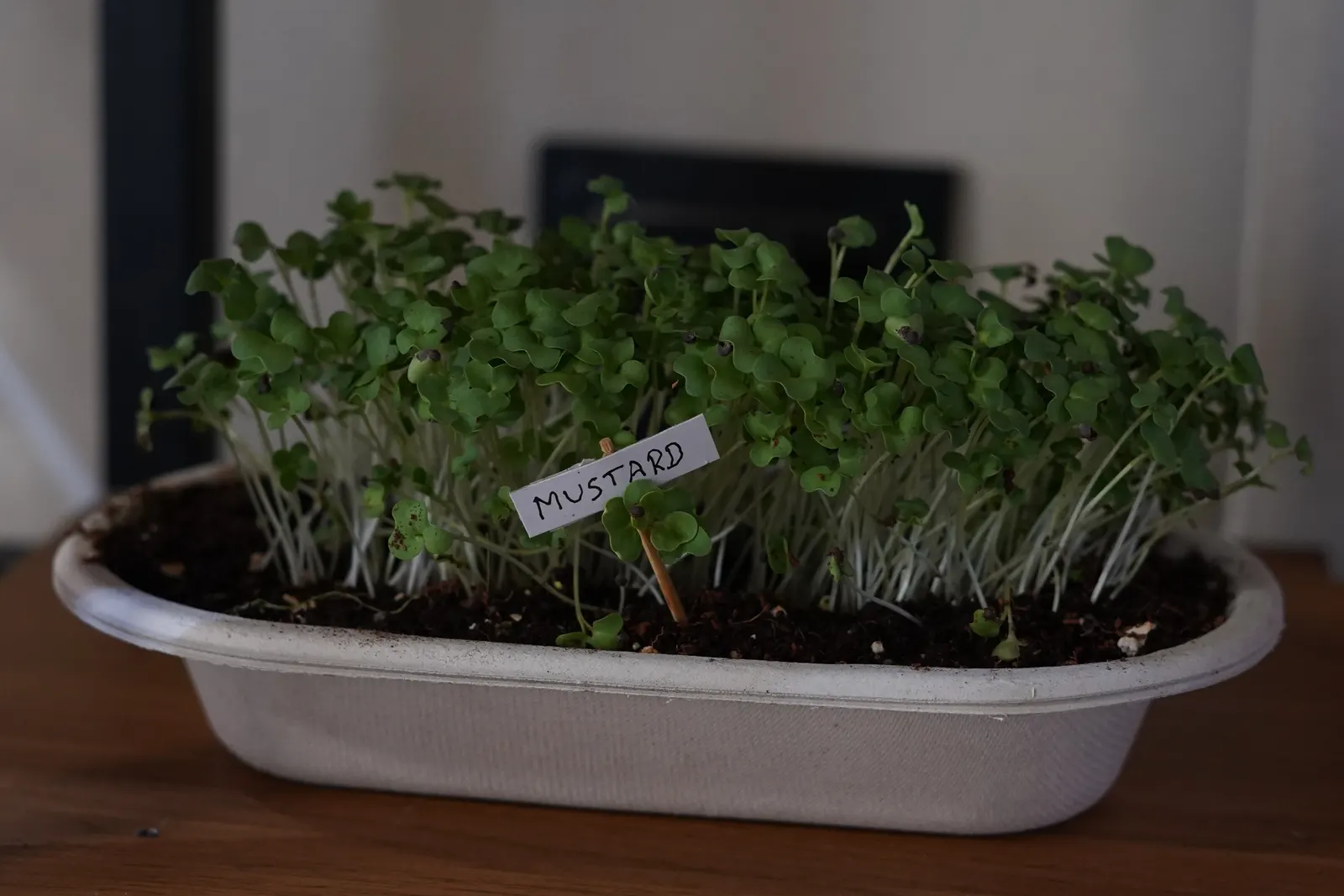
The two are often confused. Sprouts are germinated seeds eaten whole, seed, root and all, after a day or two in water. Microgreens are grown in soil or on a growing mat for one to three weeks, and cut above the root once their first leaves open. Both bring freshness and crunch to a salad.
Ways to eat more sprouts
Sprout chaat with onion, tomato, raw mango, lemon and chaat masala.
Fangavela mag, the Gujarati sprouted moong sabzi with ginger, green chilli and a squeeze of lemon.
Usal or misal, the Maharashtrian sprout curry.
Stirred into poha, upma or khichdi.
In a salad bowl: our Sprout Protein Bowl combines moong sprouts with cucumber, tomatoes, sweet corn, onion, carrot, raw mango and pomegranate (280 kcal, 12 g protein).
Sprouts are also an easy protein boost on a vegetarian diet. See how much protein you need and where to get it.
This article is general information, not medical advice. If you have a health condition, are pregnant, or take regular medication, speak to your doctor or dietitian before changing your diet.