Android

Gut health, simply: fibre, plant variety and fermented foods
Your gut bacteria live on what you eat. What the research says about fibre, eating a variety of plants and fermented foods, with easy Indian ways to get more of each.
Trillions of bacteria live in your gut, most of them in the large intestine. They feed on the parts of plant food that we cannot digest ourselves, and in return they make compounds that help keep the lining of the gut healthy. Looking after them comes down to three everyday habits.
1. Eat more fibre
Fibre is the main food for gut bacteria, and most of us eat less than we should. A large review commissioned by the World Health Organization and published in The Lancet in 2019 pooled 185 long-term studies and 58 clinical trials. People who ate the most fibre had a 15–30% lower risk of dying from any cause or from heart disease than those who ate the least, and lower rates of heart disease, stroke, type 2 diabetes and bowel cancer. The biggest benefits were seen at 25–29 g of fibre a day.
Those long-term studies show an association rather than proof, but the clinical trials in the same review also found lower body weight, blood pressure and cholesterol when people ate more fibre.
Good Indian sources of fibre:
Whole pulses and beans: rajma, chana, lobia, whole moong and masoor.
Millets and whole grains: jowar, bajra, ragi, whole-wheat atta and brown rice.
Vegetables of every kind, and fruit eaten whole rather than as juice.
Seeds and nuts: flaxseed, chia, peanuts and almonds.
ICMR-NIN's Dietary Guidelines for Indians make the same point: include more fibre-rich foods such as whole grains, millets, pulses, nuts and vegetables.
2. Eat a variety of plants
Different fibres feed different bacteria, so variety matters as much as amount. In the American Gut Project, one of the largest citizen-science studies of the gut, people who ate more than 30 different plant foods a week had more diverse gut bacteria than people who ate 10 or fewer, whatever diet they followed. It is an observation rather than proof of cause, but it makes an easy goal.
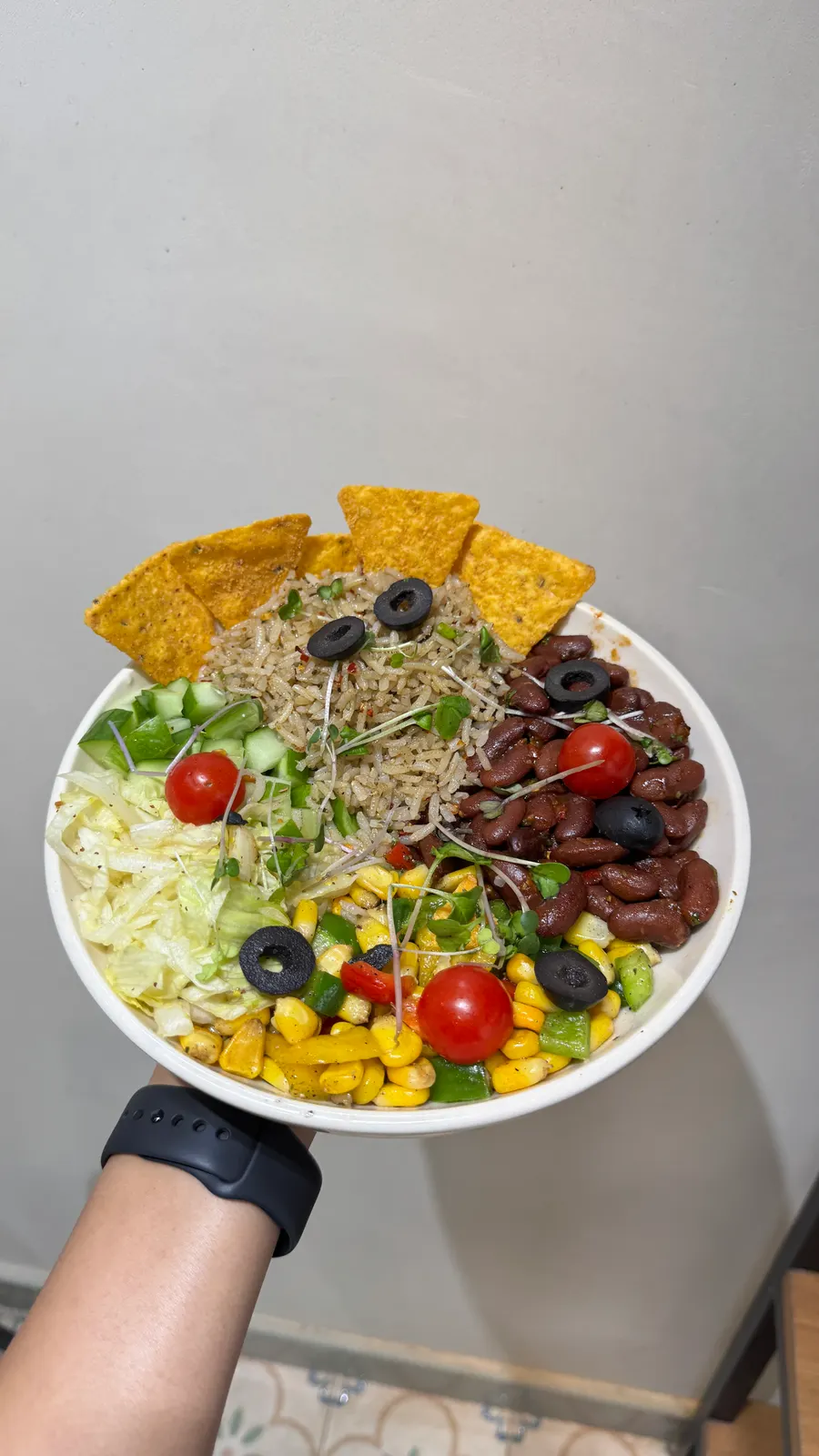
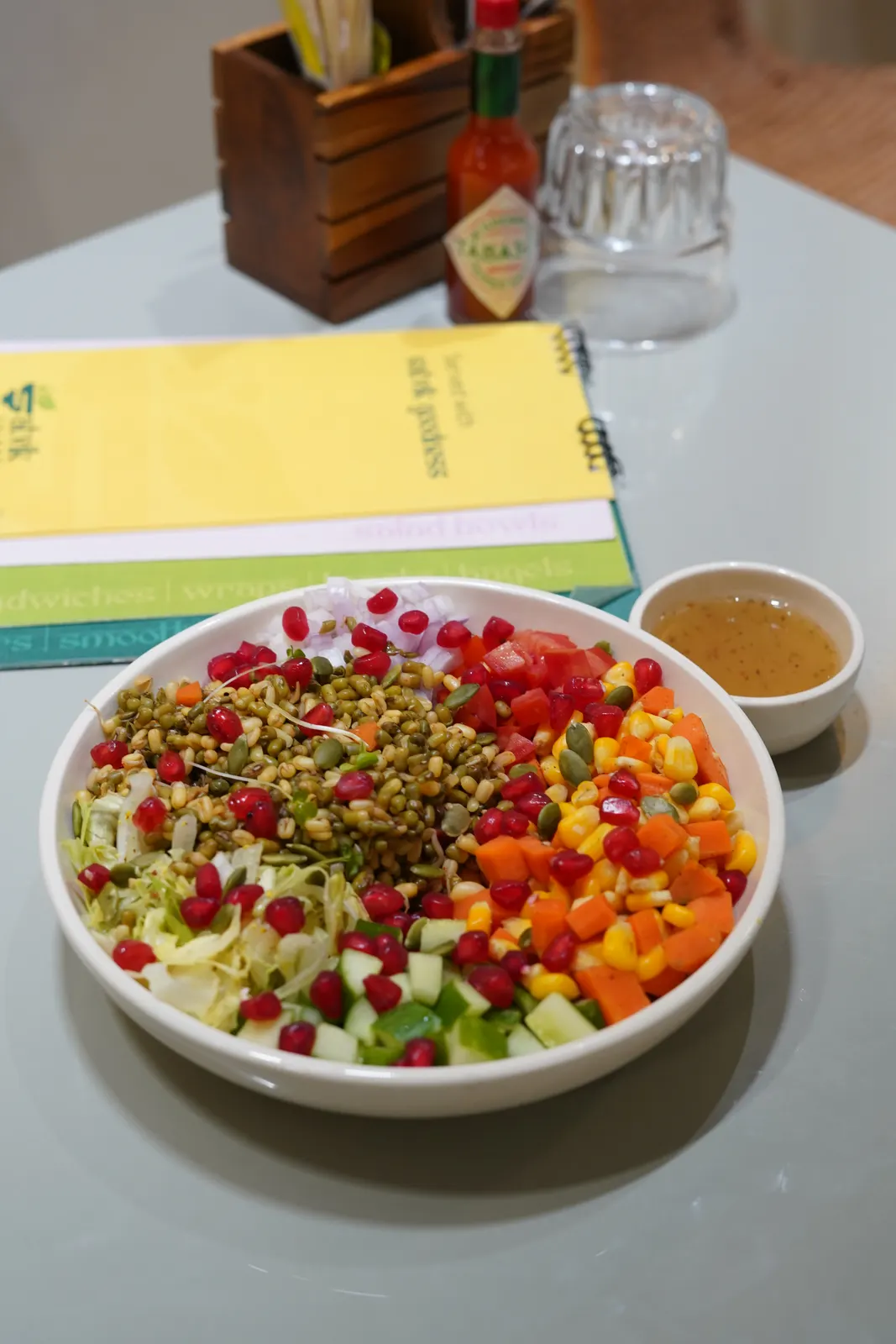
Counting is simpler than it sounds. Every vegetable, fruit, pulse, grain, nut, seed, herb and spice counts once a week. A single salad bowl with six or seven vegetables, a pulse and a sprinkle of seeds can cover nearly ten in one sitting.
3. Add fermented foods
In a 2021 study at Stanford University, published in Cell, 36 healthy adults followed either a diet high in fermented foods or a diet high in fibre for 10 weeks. In the fermented-food group, the diversity of gut bacteria rose steadily and 19 markers of inflammation in the blood fell, including interleukin-6. In the high-fibre group, diversity stayed about the same over those 10 weeks.
Indian kitchens are full of fermented foods:
Dahi (curd) and chaas (buttermilk).
Fermented batters for idli, dosa and khatta dhokla.
Homemade kanji made with black carrots.
ICMR-NIN's guidelines also advise eating more sprouted or fermented foods. If sprouts are on your list, read how to sprout moong and eat sprouts safely.
A gut-friendly day
Breakfast: vegetable poha or a besan chilla, with a bowl of curd.
Lunch: a salad bowl built around a pulse or a millet, like our Chatpata Chana Bowl or Ancient Grain Bowl.
Evening: a whole fruit and a handful of roasted chana.
Dinner: a warm vegetable or lentil soup with a roti, and a glass of chaas.
On busy weeks, our Gut-Friendly Wellness Soups plan brings six warm, vegetable-rich soups to your door across Ahmedabad. If you live with bloating, IBS or another gut condition, some high-fibre foods can make symptoms worse, and a diet consultation can help you find what suits you.
For a balanced bowl that does all three jobs at once, see how to build a salad that keeps you full.
This article is general information, not medical advice. If you have a health condition, are pregnant, or take regular medication, speak to your doctor or dietitian before changing your diet.